
Table of Contents
Introduction
In America, technology is a very important part of people’s everyday life. From smartphones to social media and artificial intelligence and digital marketing, people cannot be without internet access.While technology makes life easy for people, it has a huge impact on the way they think and act.
A growing question today is:
“Which of these is true about intense emotions?”
The simple truth is:
Emotions may be strong, potent, and ephemeral, but in the online world, they might be magnified by technology.
This implies that your emotions do not only depend on the experiences of your daily life but also on:
- Social media content
- Notifications
- Online interactions
- AI-driven platforms
This article will explore:
- What intense emotions really are
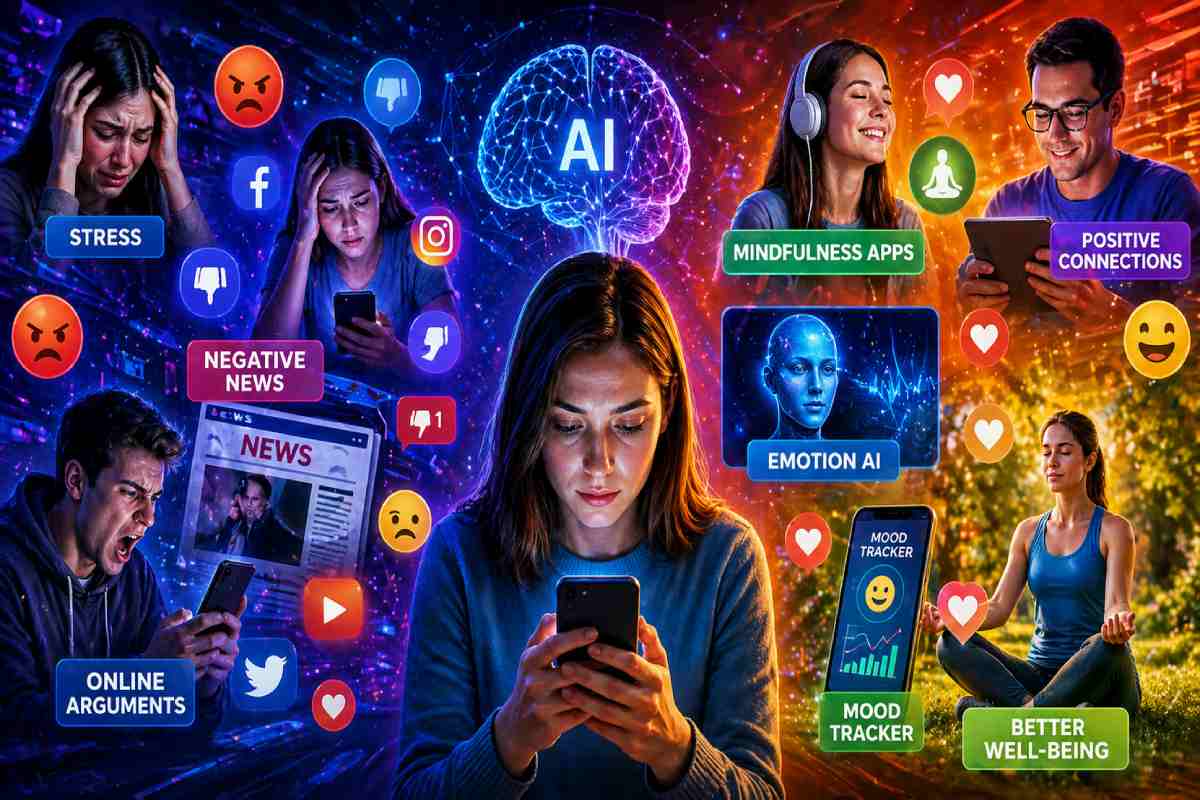
- How technology affects them
- How AI understands emotions
- Why emotions drive online behavior
- How to manage emotions in a digital world
What Are Intense Emotions in the Digital Age?
Intense emotions are strong feelings such as:
- Anger
- Fear
- Anxiety
- Excitement
- Joy
In today’s tech-driven world, these emotions are often triggered by:
- Viral content
- Online arguments
- News updates
- App notifications
Example:
One negative comment online can lead to strong emotional responses almost instantly.
Which of These Is True About Intense Emotions? (Core Answer)
The most accurate statement is:
- Intense emotions are natural
- They are temporary
- They influence decision-making
- They can be managed
- Technology can increase their intensity
How Technology Amplifies Human Emotions
Technology does not create emotions—but it intensifies them.
- Social Media Algorithms
Platforms show content that:
- Gets reactions
- Triggers emotions
- Keeps users engaged
Emotional content = more visibility
- Instant Feedback Systems
Likes, comments, and shares:
- Create dopamine spikes
- Affect mood instantly
- Information Overload
Constant news and updates can: The following ways are how artificial intelligence is being taught to interpret human emotions:
- Increase stress
- Cause emotional fatigue
The Emotional AI: The AI that Knows How You Feel
AI is now being trained to understand human emotions through:
- Facial Recognition
- Detects expressions like happiness, anger
- Voice Analysis
- Identifies tone and stress
- Text Sentiment Analysis
- Understands emotional meaning in messages
Applications of Emotion AI
- Customer support chatbots
- Mental health apps
- Marketing personalization
- Smart assistants
Why Emotions Drive Online Behavior
In the digital world, emotions directly affect:
- Clicking
- Sharing
- Buying
- Commenting
High-Impact Emotions Online
| Emotion | Effect |
| Anger | More shares |
| Fear | More attention |
| Happiness | More engagement |
| Surprise | More clicks |
Emotions in Digital Marketing
Marketers use emotions to:
- Increase conversions
- Build connections
- Drive engagement
Examples:
- Fear → “Limited offer”
- Excitement → “New launch”
- Trust → Reviews and testimonials
Social Media and Emotional Triggers
Common triggers include:
- Comparison with others
- Negative comments
- Viral news
- Online conflicts
Psychology Behind Viral Content
Content goes viral when it:
- Triggers strong emotions
- Is relatable
- Encourages reaction
High-arousal emotions = more sharing
Short-Term vs Long-Term Digital Emotional Effects
| Type | Effect |
| Short-term | Instant reaction, impulsive actions |
| Long-term | Anxiety, stress, addiction |
Signs of Emotion Overload in the Digital World
Physical:
- Headache
- Fatigue
Mental:
- Overthinking
- Anxiety
Behavioral:
- Constant scrolling
- Avoiding offline life
Healthy vs Unhealthy Digital Emotional Responses
| Situation | Unhealthy | Healthy |
| Negative comment | React instantly | Pause & think |
| Bad news | Panic | Verify information |
| Social comparison | Low self-esteem | Limit exposure |
How to Manage Emotions in a Technology-Driven World
- Digital Detox
Take breaks from screens
- Control Notifications
Reduce unnecessary alerts
- Mindful Usage
Use apps intentionally
- Limit Social Media Time
Avoid emotional overload
Daily Habits for Emotional Balance
- Sleep 7–8 hours
- Exercise regularly
- Stay offline sometimes
- Practice mindfulness
Real-Life USA Examples
Workplace Tech Stress
Employees feel overwhelmed by emails and tools
Social Media Pressure
Teenagers compare lifestyles
Online Shopping Emotions
Impulse buying due to excitement
Future of Emotions in Technology
- Emotion-aware AI
- Personalized experiences
- Mental health tech growth
FAQ Section
Are intense emotions normal in the digital world?
Yes, but technology can increase their intensity.
Can apps control emotions?
They influence emotions, but do not fully control them.
Why do I feel anxious after social media?
Comparison and information overload.
Can AI understand emotions?
Yes, to some extent using data and patterns.
Impact of Technology on Mental Health in the USA
In America, technology has revolutionized the emotional experiences of people in their everyday lives. While it brings comfort, it also imposes pressure emotionally.
Key impacts:
- Increased anxiety due to constant notifications
- Fear of missing out (FOMO) on social media
- Sleep problems caused by screen time
- Emotional dependency on digital validation
Example:
Many people find themselves under emotional stress when they don’t get likes or replies immediately
Impact of Smartphones on Emotional Behavior
Smartphones have become a significant trigger for emotions.
How smartphones affect emotions:
- Constant alerts interrupt peace of mind
- Social media apps increase comparison
- News apps spread negative information quickly
Simple truth:
The more time spent on phones, the higher the chance of emotional overload.
How Artificial Intelligence Personalizes Emotional Content
AI systems track user behavior to show content that matches emotions.
AI uses:
- Search history
- Watch time
- Click behavior
Result:
- More emotional content appears
- Users stay engaged longer
- Emotions become stronger over time
Example:
If you watch sad or angry content, platforms may show more similar posts.
Dark Side of Technology and Emotional Manipulation
Technology is powerful—but it can also influence emotions in negative ways.
Risks include:
- Clickbait headlines triggering fear or curiosity
- Misinformation creating panic
- Online trolling causing emotional harm
Important point:
Users should always verify information before reacting emotionally.
Benefits of Technology for Emotional Well-Being
Technology is not only negative—it also helps manage emotions.
Positive uses:
- Meditation apps
- Mental health support platforms
- Online therapy sessions
- Mood tracking apps
Example:
Apps like breathing guides help reduce stress quicklyApplications such as breathing tutorials provide rapid relief from stress.
Emotional Intelligence in the Digital Age
Emotional intelligence is the ability to understand and control your emotions.
In the digital world, it includes:
- Not reacting instantly online
- Understanding emotional triggers
- Communicating respectfully
Why it matters:
It prevents disagreements and enhances one’s digital behavior.
Suggestions for Parents and Teenagers (USA)
Technological influences are more prominent in young individuals.
For parents:
- Monitor screen time
- Encourage offline activities
- Talk about emotions openly
For teenagers:
- Avoid comparing with others online
- Take breaks from social media
- Focus on real-life connections
How Businesses Use Emotional Data (Marketing Insight)
Companies use emotional behavior to improve marketing strategies.
They analyze:
- What users click
- What content they share
- How long they stay on pages
Purpose:
- Create emotional connection
- Increase engagement
- Boost sales
Example:
Ads often use happiness, fear, or urgency to attract users.
Future Trends: Emotions and Technology (2026 & Beyond)
The future will bring more advanced emotional technology.
Expected developments:
- AI that detects mood in real time
- Smart devices responding to emotions
- Personalized emotional experiences
Example:
A smart assistant may suggest music based on your mood.
Conclusion
Which one of the above statements about emotions is correct?
The answer is clear:
- They are natural
- They are powerful
- They are temporary
- Technology can amplify them
- They can be managed
In today’s digital world, understanding emotions is not just important—it is essential.