
Table of Contents
Introduction
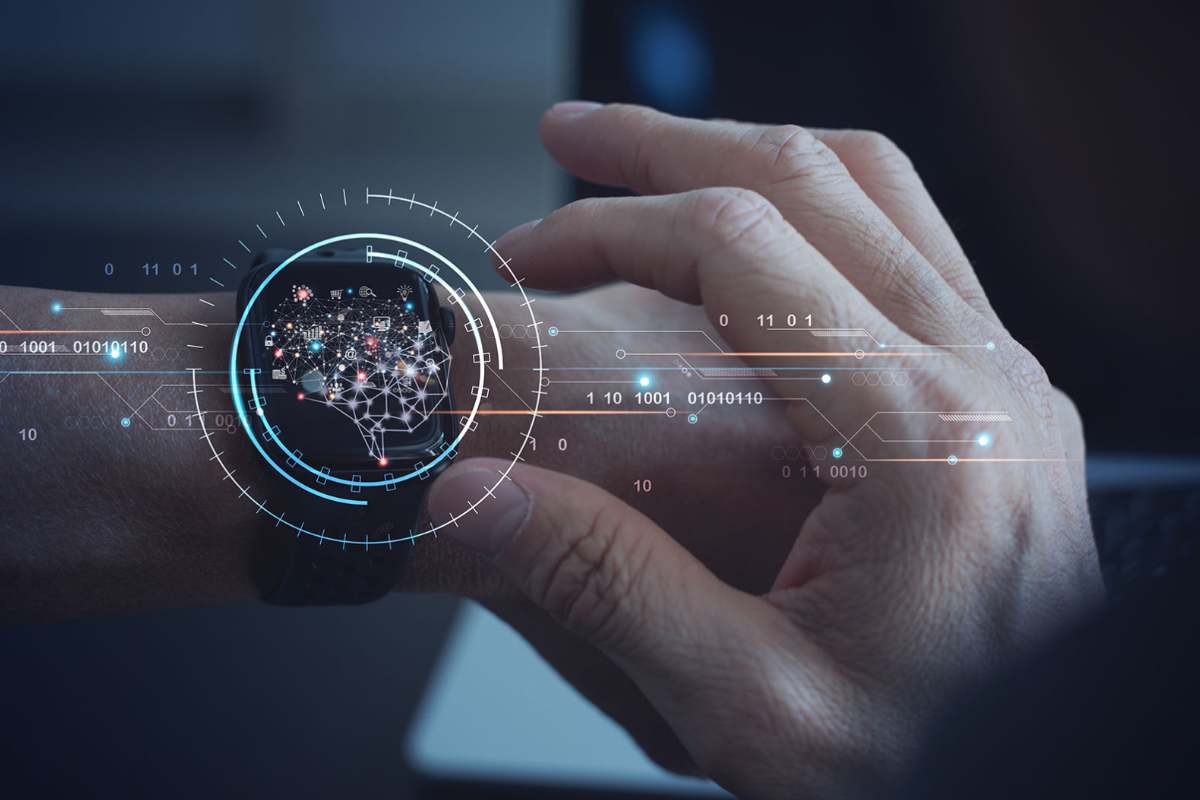
Wearable technology means electronic devices that people can wear on their bodies. These devices are comfortable to use and give many benefits, unlike smartphones or tablets that we have to hold in our hands.
We are now in the middle of a wearable technology revolution. From smartwatches and hearing aids to smart glasses and fitness trackers, there are many wearable devices designed for different needs.
According to Statista, wearable technology refers to electronic devices designed to be worn on the body and connected to digital networks.
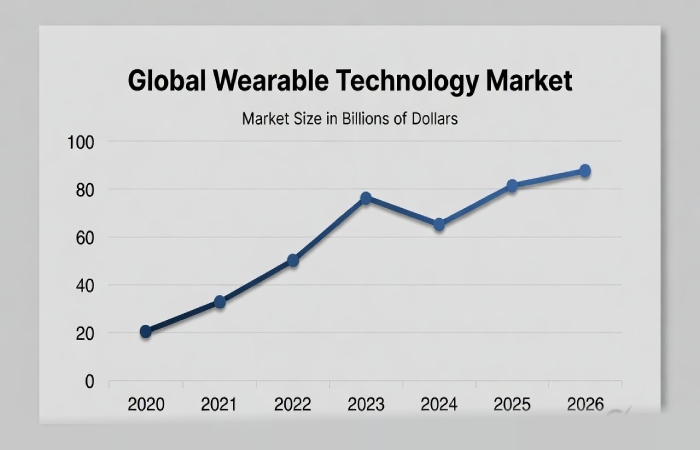
Global Wearable Technology Market Growth
| Year | Market Size | Growth Rate |
| 2020 | $116 Billion | — |
| 2022 | $165 Billion | 18% |
| 2024 | $230 Billion | 20% |
| 2026 (Estimated) | $310 Billion | 22% |
Wearable tech keeps developing new devices that aim to simplify your daily activities. Wearable electronics are not extensive, just smartwatches and fitness trackers that measure your heart rate. The latest wearable technologies go as far as providing users with health advice, giving improved turn-by-turn instructions, and detecting the intensity of ultraviolet rays while sunbathing.
According to IDC (International Data Corporation), the global wearable market continues to grow rapidly due to increasing demand for health tracking and smart devices.
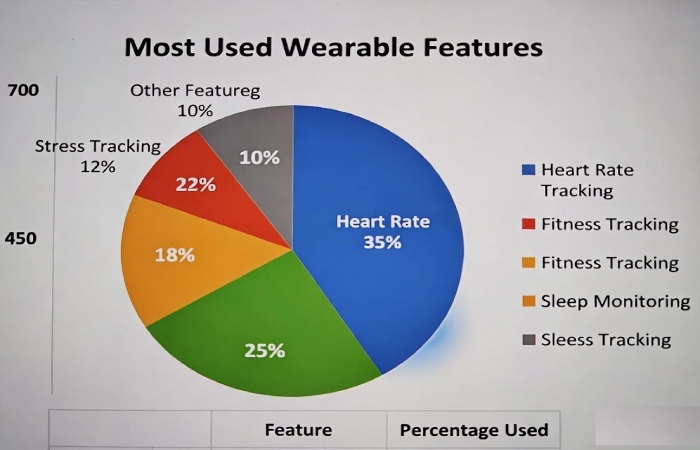
Health Features in Modern Wearables
| Feature | Purpose | Benefit |
| Heart Rate Monitoring | Tracks heart beats | Helps detect health issues |
| Sleep Tracking | Measures sleep quality | Improves sleep habits |
| Step Counter | Tracks daily movement | Encourages fitness |
| Oxygen Level Monitor | Measures blood oxygen | Useful for respiratory health |
| Stress Monitoring | Measures body stress level | Helps improve mental wellness |
Wearables do not weigh and are more comfortable to carry. Faced with this unstoppable trend, the new generation of wearable technology is the natural bridge for fully implementing the IoT (Internet of Things) and its benefits.
A selection of different wearables such as SmartWatches (Samsung Gear S, LG G Watch, Apple Watch), SmartGlasses (Epson Moverio BT-200, Vuzix or Google Glass, Mad Gaze), fitness or health bands (Fit Bit, Jawbone or Gear Fit), SmartRings as NFC ring…
Types of Wearable Devices and Their Uses
| Device Type | Main Purpose | Example Devices |
| Smartwatches | Notifications, health tracking | Apple Watch, Samsung Galaxy Watch |
| Fitness Trackers | Activity and fitness monitoring | Fitbit, Mi Band |
| Smart Glasses | Augmented reality, navigation | Google Glass, Vuzix |
| Smart Rings | Contactless payments, notifications | NFC Ring |
| Health Bands | Heart rate and sleep monitoring | Jawbone, Gear Fit |
Smartwatches and fitness trackers dominate the wearable market because they combine health tracking and smartphone connectivity.
Take a look at these videos with seven wearables of 2016
- Pilot, the most advanced portable translator to date. Translate languages in real-time. A microphone picks up the interlocutor’s words, and the system sends these words to an application on the mobile phone; the application sends a translation to the headset, which can be heard.
- SuperSuite, of course, this next Christmas game won’t quickly go unnoticed. It is the first game developed using wearable technology. Perfect aesthetic design, futuristic control technology. It is a gaming platform that gives you access to many games that take place in the real world. Get ready to put on the super suit. It’s time to live your game!
- Gest, this device fits in your hand to give the computer and mouse commands through its nine sensors. Gestures and movements travel in the form of data.
- Ampy, capture the energy you generate from different activities while exercising on your mobile device. «For your cell phone, your movement is your complement.»
Update: The makers of this application ran a crowdfunding campaign to fund themselves, but unfortunately. However, the utility page is no longer operational. If there weren’t entrepreneurs trying, many of the devices we use today wouldn’t exist—all our support to them.
- Dokie, GPS tracking bracelet, smartwatch for kids, a built-in camera for video calls. Now parents can see their kids anytime, anywhere.
- Mad Gaze, the X5 glasses, is wearable, everyday gadget technology. X5 runs on the Android operating system and utilizes Wi-Fi and Bluetooth connectivity.
Popular Wearable Devices Comparison
| Device | Category | Battery Life | Special Feature |
| Apple Watch | Smartwatch | 18 hours | Health monitoring |
| Samsung Galaxy Watch | Smartwatch | 24 hours | Fitness tracking |
| Fitbit Charge | Fitness Band | 7 days | Sleep tracking |
| Google Glass | Smart Glass | 1 day | Augmented reality |
| NFC Ring | Smart Ring | 3–5 days | Contactless payments |
- It is ready to connect to calls of any procedure or request. Image capture, video playback, or visual functions are programmers to be operate by voice without using your hands.
Discover all Wearables Trends, Technologies & Startups
Circuit miniaturization, high-performance batteries, high-speed connectivity, and sensor-integration drive innovations in wearables. These advanced technologies enable the development of intelligent clothing, AR eyewear, fitness trackers, and more. Additionally, there is a growing interest in using wearables for medical and therapeutic purposes like monitoring posture, body temperature, and vital signs.
Technologies Powering Wearable Devices
| Technology | Role in Wearables |
| Sensors | Collect body and environment data |
| Bluetooth | Connect devices to smartphones |
| Artificial Intelligence | Analyze health and activity data |
| Flexible Circuits | Enable lightweight device design |
| Battery Technology | Provides longer usage time |
Future Wearable Technology Trends
| Trend | Description |
| AI Health Monitoring | AI predicts health risks early |
| Smart Clothing | Clothing with embedded sensors |
| AR Glasses | Augmented reality in everyday life |
| Medical Wearables | Continuous health monitoring |
| Brain-Computer Interfaces | Control devices using brain signals |
The Wearable Trends & Startups drew in this statement only scratches the surface of trends we knew during our data-driven innovation & startup scouting process. The artificial intelligence of things (AIoT), biosensors, and flexible circuits will transform the sector as we know it today. Identifying new opportunities & developing technologies to implement into your business goes a long way in ahead a competitive benefit. Get in touch to easily & exhaustively scout startups, technologies & trends that matter to you