
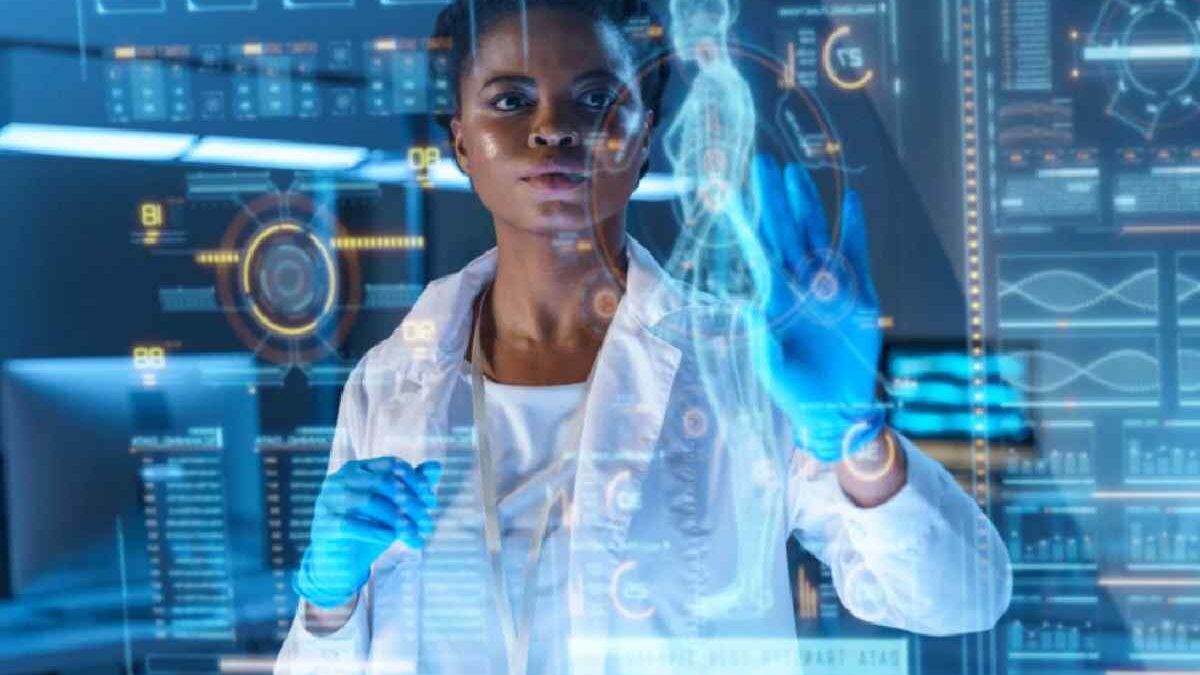
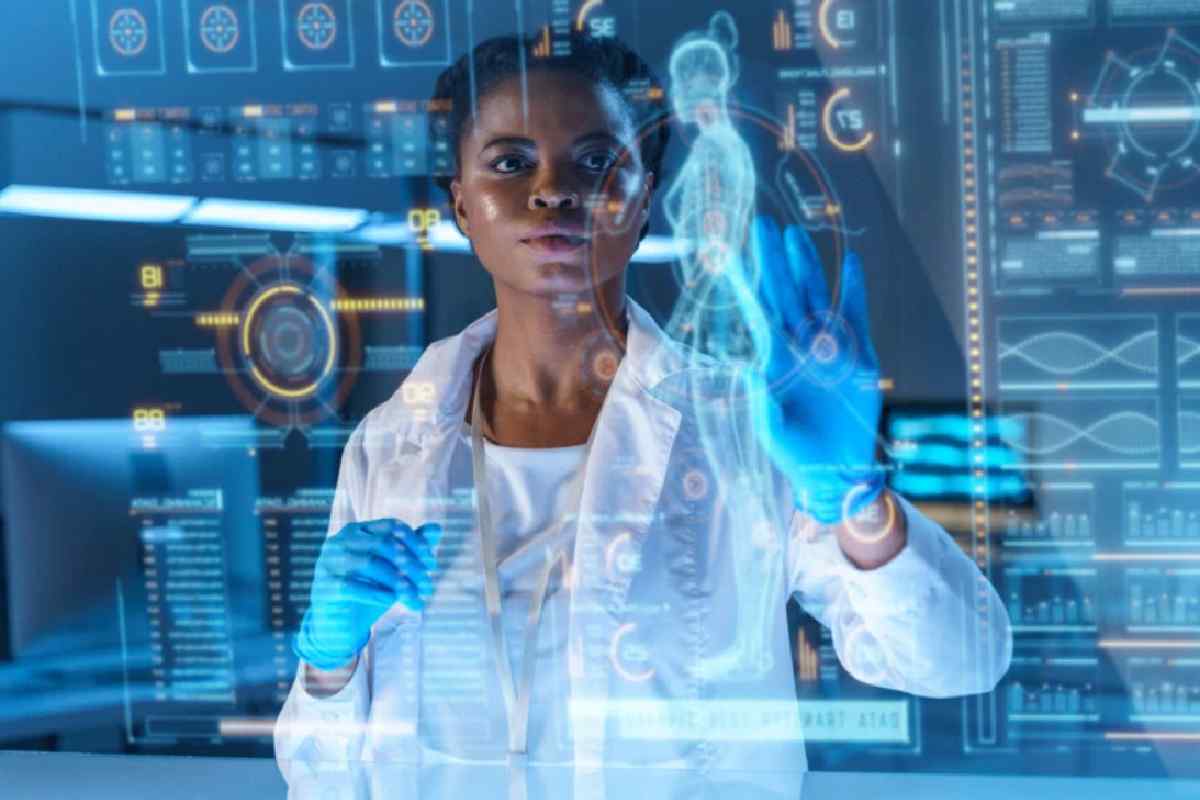
Medical technology is a field that works alongside health sciences. Its main goal is to help with research, diagnosis, and treatment of diseases under the guidance of a doctor.
It is a profession within healthcare where trained experts use modern technology to support medicine and patient care. This field includes bachelor’s degrees and other programs that prepare a person to work as a medical technologist.
Medical technology focuses on studying and creating tools that improve health during diagnosis, disease management, and treatment.
Table of Contents
Medical Technology: A Link Between Medicine and Technology
Medical technology brings together engineering skills and medical knowledge. It supports areas such as diagnosis, therapy, nursing, and patient rehabilitation.
This field creates devices, machines, and processes that help doctors treat patients more effectively.
Modern technologies such as microsystems, nanotechnology, optical tools, and information technology play a big role. These technologies help make new medical devices, improve accuracy, and make treatments safer and faster.
Main Areas of Medical Technology
Medical technology covers many important fields. Some common ones include:
1. Diagnostic Imaging
This includes machines and tools used to see inside the body. Examples:
-
MRI (Magnetic Resonance Imaging)
-
CT or CAT scans
-
X-rays
-
Mammography
-
Ultrasound
Other important devices include pacemakers, prostheses, dialysis machines, and infusion pumps. These are used in hospitals every day.
Medical technology also includes:
-
Tissue engineering (creating artificial body tissues)
-
Artificial organs
-
Medical informatics (managing health data like reports, scans, and patient history)
Specialties Within Medical Technology
1. Clinical Laboratory
This area is handled by bioanalysis professionals and lab assistants. Their work includes:
-
Collecting samples
-
Performing tests
-
Staining slides
-
Organizing and handling specimens
They also follow strict safety rules to avoid risks from chemicals and biological materials.
2. Radiology and Imaging
Radiology technicians prepare patients and take images such as:
-
X-rays
-
CT scans
-
MRI
-
Bone density tests
-
Ultrasound
Since they work with radiation, they follow strict safety guidelines.
3. Optometry
Optometrists check for vision problems and refractive errors.
Their tasks include:
-
Testing eyesight
-
Checking eye pressure
-
Detecting color blindness
-
Recommending corrective lenses
Examples of Medical Technology
Imaging
Includes X-rays, MRI, tomography, and other scans used to study the human body.
Clinical Tests
Blood tests and laboratory analysis are clear examples of technology helping medical science.
Surgery
Surgery has become safer thanks to advanced tools. Earlier, doctors had limited options, but today they use advanced equipment, cameras, and robotic tools for precise operations.
Pathology
The pathology department includes cytotechnologists and pathology doctors who examine tissues to detect diseases.
Research and Development in Medical Technology
This sector has strong connections with global standards and strict safety rules to protect patients, hospitals, and manufacturers.
A key feature is heavy investment in research. Many companies spend almost 10% of their income on developing new medical technologies.
The demand for advanced medical devices continues to grow, making research important for future healthcare improvements.
Types of Medical Technology
1. Diagnostic Technologies
Help identify diseases.
Examples:
-
X-rays
-
MRI
-
CT scans
-
Blood tests
-
Genetic tests
2. Treatment Technologies
Used to treat health conditions.
Examples:
-
Surgical instruments
-
Radiation therapy
-
Chemotherapy
-
Pacemakers
-
Insulin pumps
3. Assistive Technologies
Help people with disabilities.
Examples:
-
Hearing aids
-
Prosthetic limbs
-
Wheelchairs
4. Information Technologies
Used for storing and sharing medical data.
Examples:
-
Electronic medical records (EMRs)
-
Telemedicine
-
Health information systems
5. Rehabilitation Technologies
Help patients recover after illness or injury.
Examples:
-
Physiotherapy equipment
-
Speech therapy tools
-
Occupational therapy devices
6. Monitoring Technologies
Track patient health.
Examples:
-
Heart rate monitors
-
Blood pressure devices
-
Glucose monitors
7. Research Technologies
Used in labs and clinical trials to develop new treatments.
Conclusion
Medical technology grows through the combined efforts of doctors, surgeons, engineers, and health policy makers. Engineers, in particular, play a major role in creating new devices and improving existing ones.
Their innovations help improve diagnosis, treatment, and overall patient care across all areas of medicine.